Alexandria Funduqs and Flax Market
Alexandria, Egypt · Established c. 10th century CE
This site requires authorization to access.
To request access, contact
william.goetzmann@yale.edu
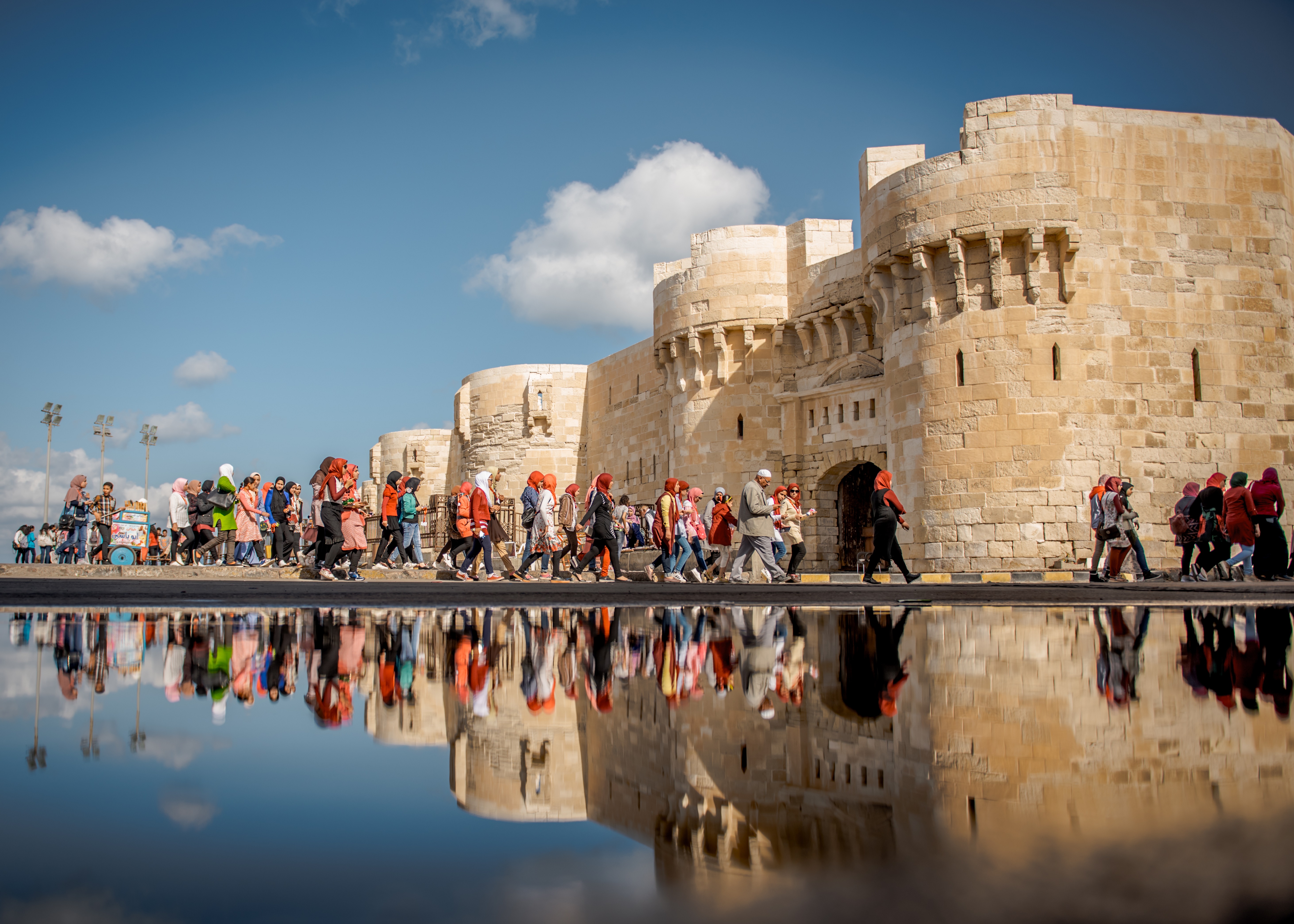
The commercial architecture of medieval Alexandria centered on the funduq system—a network of national merchant hostels that combined lodging, secure storage, and trading facilities within a single compound. As Olivia Remie Constable demonstrated in Housing the Stranger in the Mediterranean World (Cambridge, 2003), the funduq evolved from the Greco-Roman pandocheion, transforming from an open roadside inn into a fortified commercial compound with thick walls, minimal external windows, designated storerooms, and a lockable gate. By the thirteenth century, it had become common in cities such as Alexandria to assign different fondacos to different ‘nations’ of European traders—Venetians, Genoese, Pisans, and Catalans each occupying separate quarters under negotiated treaty privileges.The typical Alexandrian funduq was organized around a central courtyard, with ground-floor storerooms for merchandise and upper-story chambers for merchant lodging. S.D. Goitein, drawing on hundreds of Cairo Geniza documents in A Mediterranean Society (University of California Press, 1967–1993), described these compounds as bustling centers where goods were weighed, inspected, and taxed before being released for sale. The funduq also served as a site for government customs collection, functioning under the oversight of the diwan al-jawali, the Fatimid and later Ayyubid customs administration.The harbor precinct was dominated by the Sea Gate, a fortified entry through which all arriving merchants passed for customs inspection. A Fatimid inscription dated 1128–1129 CE, documented by the Centre d’Études Alexandrines (CEAlex), commemorated the completion of this ‘great fortress’ at the harbor mouth. At the tip of the former Pharos Island, Sultan al-Ashraf Qaitbay constructed his citadel between 1477 and 1479, incorporating limestone blocks believed to have been salvaged from the ruins of the ancient Pharos lighthouse. This Mamluk fortification, with its half-circular towers and crenellated walls, represented the final phase of Alexandria’s medieval harbor architecture and served to defend the Eastern Harbour, which after the raid of 1365 was designated as the only port open to Christian shipping.
The most remarkable artistic legacy associated with medieval Alexandria’s harbor lies beneath the waters of the Eastern Harbour. Beginning in 1994, Jean-Yves Empereur and the Centre d’Études Alexandrines (CEAlex) conducted systematic underwater archaeological surveys that documented over 3,300 architectural fragments, including sphinxes, obelisks, colossal statues, and monumental granite blocks from the collapsed Pharos lighthouse. Empereur’s account in Alexandria Rediscovered (George Braziller, 1998) detailed how these remains, scattered across the seafloor west of the Qaitbay Citadel, constituted one of the largest underwater archaeological sites in the Mediterranean. A dramatic recovery during Jacques Chirac’s visit in April 1996 brought a colossal statue to the surface, drawing international attention to the project.Islamic-era Alexandria contributed significant decorative arts, though few survive from the funduq compounds themselves. The Greco-Roman Museum of Alexandria (founded 1892) houses artifacts spanning the Ptolemaic through Islamic periods, including carved stone fragments, ceramics, and metalwork from the medieval city. The Bibliotheca Alexandrina’s Antiquities Museum displays objects from the Pharaonic through Islamic eras, while its Manuscripts Museum preserves Arabic manuscripts and fragments of the kiswa, the embroidered covering of the Kaaba, reflecting the city’s connections to the wider Islamic world.Visual representations of medieval Alexandria as a port appear in European manuscript illuminations and early modern cartography. Venetian and Genoese portolan charts from the thirteenth and fourteenth centuries depict the harbor, its fortifications, and the landmark of the Pharos or its successor structures. The commercial life of the funduqs themselves, however, was rarely illustrated; our knowledge of their appearance derives primarily from archaeological evidence and textual descriptions in the Geniza documents and in travelers’ accounts such as those analyzed by Goitein and by David Jacoby in Commercial Exchange Across the Mediterranean (Ashgate Variorum, 2005).
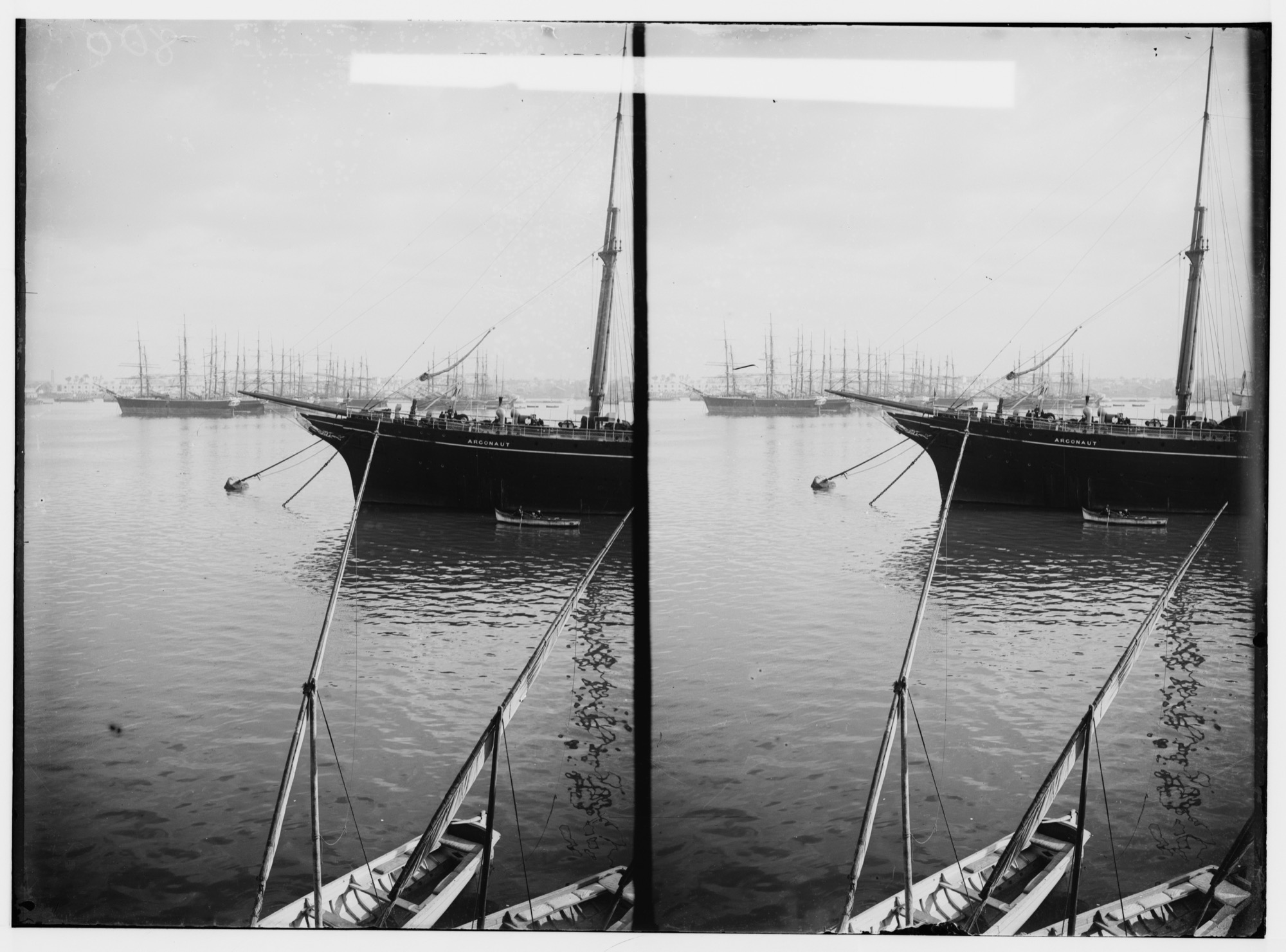
Alexandria occupied a uniquely strategic position as Egypt’s primary Mediterranean port, the gateway through which the agricultural wealth of the Nile Delta—above all flax and linen—reached the markets of Europe and the Maghreb. The city’s geography was shaped by the ancient Heptastadion, a causeway built in the third century BCE to connect Pharos Island to the mainland. Over the centuries, as the Centre d’Études Alexandrines has documented, marine sediments accumulated against this causeway, gradually forming the isthmus that divided the Eastern Harbour from the Western Harbour and defined the medieval port’s topography.The Eastern Harbour served as the principal anchorage for Christian merchant vessels, while the Western Harbour was reserved for Muslim shipping—a division enforced after the Alexandrian Crusade of 1365, as noted by Georg Christ in Trading Conflicts: Venetian Merchants and Mamluk Officials in Late Medieval Alexandria (Brill, 2012). The funduq district lay close to the harbor’s edge, enabling the efficient movement of goods from ship to customs house to warehouse. Constable emphasized that the funduqs were not isolated compounds but were integrated into a dense commercial quarter where brokers, moneychangers, and customs officials operated in close proximity.Alexandria’s population in the medieval period was markedly cosmopolitan. Goitein’s Geniza research revealed communities of Jewish, Greek, and Arab merchants alongside Italian traders from Venice, Genoa, Pisa, and Amalfi. The city maintained a vital overland connection to Fustat (Old Cairo) along the Nile, a route that Nahray ben Nissim and his contemporaries traversed regularly as they shuttled between Alexandria’s port and the commercial and administrative capital upriver. Abraham Udovitch, in his study of international trade and the medieval Egyptian countryside (Proceedings of the British Academy, 1996), demonstrated that the flax cultivated in the Nile Delta villages was channeled through Alexandria’s harbor for export, making the city the indispensable link between rural production and Mediterranean commerce.
The institutional history of Alexandria’s funduq system exemplifies the transformation that Olivia Remie Constable traced across the entire Mediterranean world: from the Greek pandocheion (a hostel ‘accepting all comers’) through the Islamic funduq to the European fondaco and, ultimately, to the regulated commercial exchanges of the early modern period (Housing the Stranger in the Mediterranean World, Cambridge, 2003). In Alexandria, the funduq institution took root under the Fatimid caliphate in the tenth and eleventh centuries, when the city served as Egypt’s principal customs port for Mediterranean trade.The Cairo Geniza documents, painstakingly catalogued by S.D. Goitein in A Mediterranean Society (six volumes, University of California Press, 1967–1993) and in Letters of Medieval Jewish Traders (Princeton University Press, 1973), provide an unparalleled window into the daily operations of Alexandrian commerce. Among the most prominent figures in this archive is Nahray ben Nissim (c. 1025–c. 1098), a Tunisian-born merchant who sojourned in Alexandria before settling in Fustat. More than 350 letters and accounts connected to Nahray survive in the Geniza, as catalogued by the Princeton Geniza Project, documenting his extensive dealings in flax, textiles, and spices.By the twelfth and thirteenth centuries, Italian maritime republics had negotiated formal treaties with the Ayyubid and Mamluk sultans granting their merchants access to designated fondacos in Alexandria. Georg Christ’s analysis of Venetian-Mamluk relations demonstrated that Venetian merchants paid a fixed customs rate of ten percent on goods and two percent on gold and silver—rates that remained stable through the fourteenth and fifteenth centuries. The Venetian, Genoese, and Pisan fondacos each maintained their own consuls, chapels, and commercial courts, functioning as semi-autonomous enclaves within the Islamic city. Abraham Udovitch’s work on Partnership and Profit in Medieval Islam (Princeton University Press, 1970) showed that the legal frameworks governing these commercial relationships—particularly the commenda partnership—facilitated the flow of capital and goods between the Italian cities and Alexandria’s port.
Egyptian flax and linen constituted the single most important commodity traded through Alexandria’s funduq system. As Abraham Udovitch documented in his study of international trade and the medieval Egyptian countryside (Proceedings of the British Academy, 1996), raw flax was the dominant export from Egypt to Tunisia, Sicily, and Spain, with annual volumes estimated at five to six thousand tons during the sailing season from April through September. S.D. Goitein’s Geniza research confirmed that flax pervaded every level of Alexandrian commerce: merchants like Nahray ben Nissim coordinated purchases from Delta villages, arranged transport to Alexandria, stored bales in funduq warehouses, and negotiated sales with Maghrebi and Italian buyers.Beyond flax, Alexandria served as a critical transshipment point for spices arriving overland from the Indian Ocean trade via the Red Sea and the Nile. Pepper, cinnamon, ginger, and other Eastern aromatics passed through the city’s customs house en route to Venice, Genoa, and other European markets. David Jacoby, in his studies collected in Commercial Exchange Across the Mediterranean (Ashgate Variorum, 2005) and Medieval Trade in the Eastern Mediterranean and Beyond (Routledge, 2018), traced the Acre-Alexandria commercial axis that channeled Levantine and Asian goods through the Egyptian port during the Crusader period.The customs process itself was elaborate: goods arriving by sea passed through the Sea Gate, were inspected and weighed at the diwan (customs house), taxed according to negotiated treaty rates, and then transported to the appropriate national fondaco for storage and sale. Constable noted that the funduq functioned simultaneously as hostel, warehouse, marketplace, and tax collection point—an institutional convergence that made it, in effect, a proto-exchange. The Italian fondacos in particular, with their resident consuls, regulated trading hours, standardized weights and measures, and systems of commercial adjudication, anticipated many features of the formal commodity exchanges that would emerge in Bruges, Antwerp, and Amsterdam in subsequent centuries.