London Stock Exchange
London, UK · Established 1801

This site requires authorization to access.
To request access, contact
william.goetzmann@yale.edu
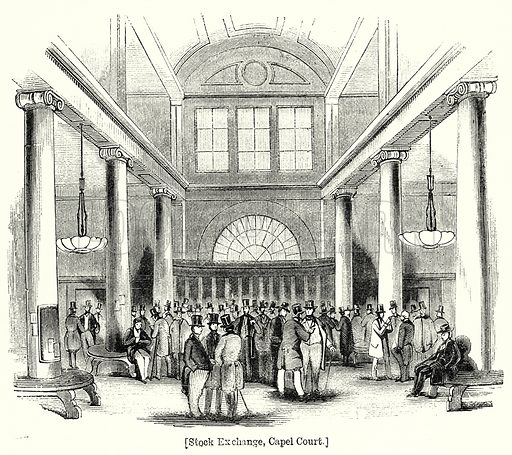
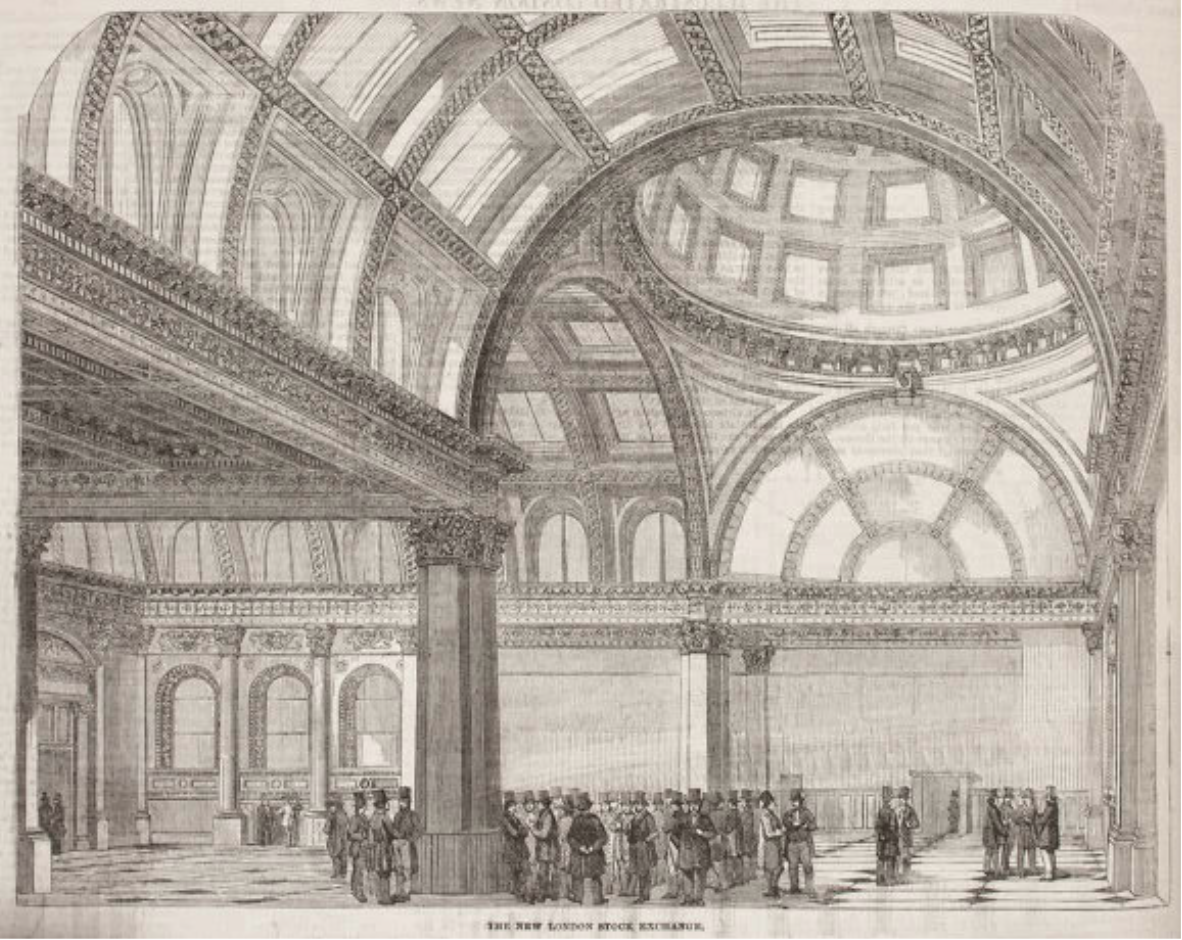
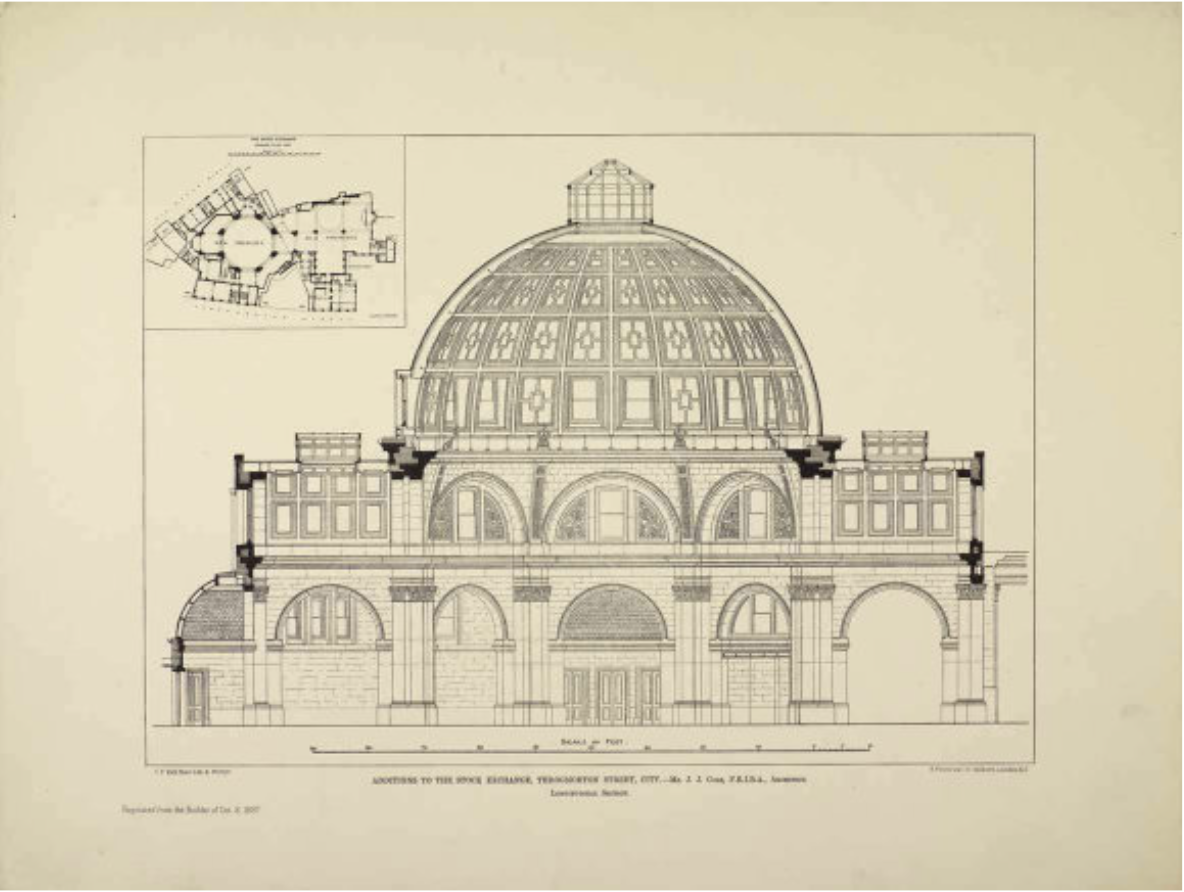
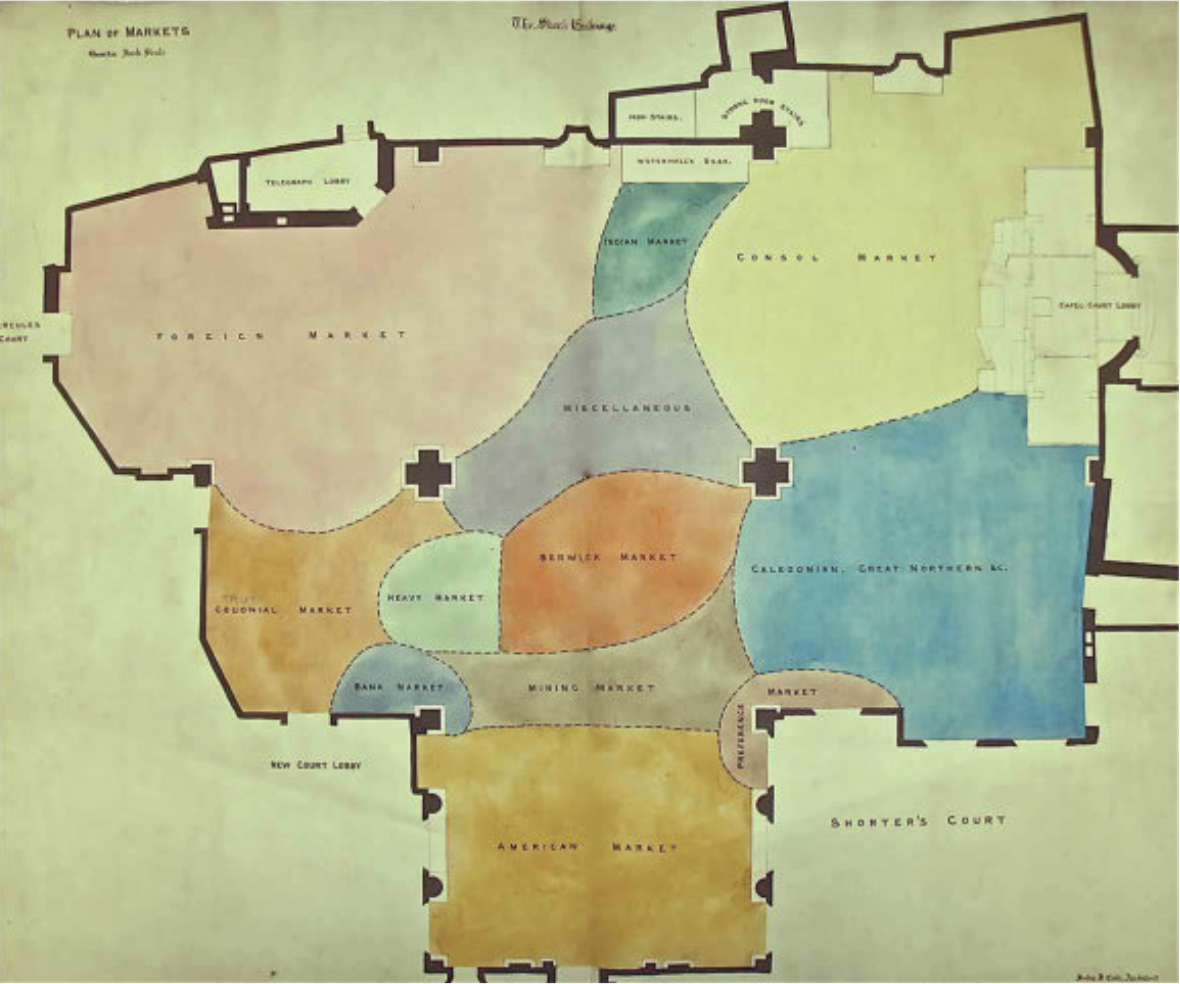
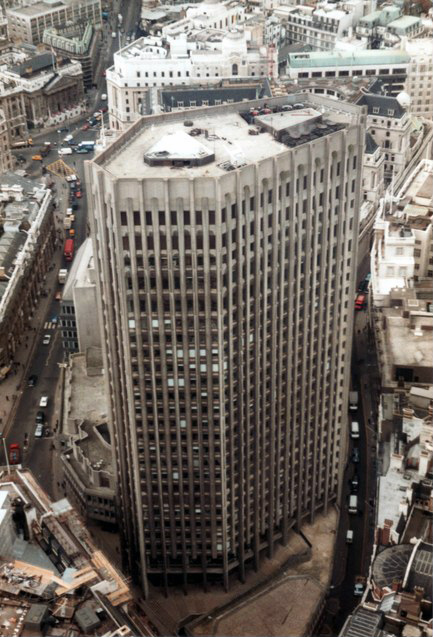
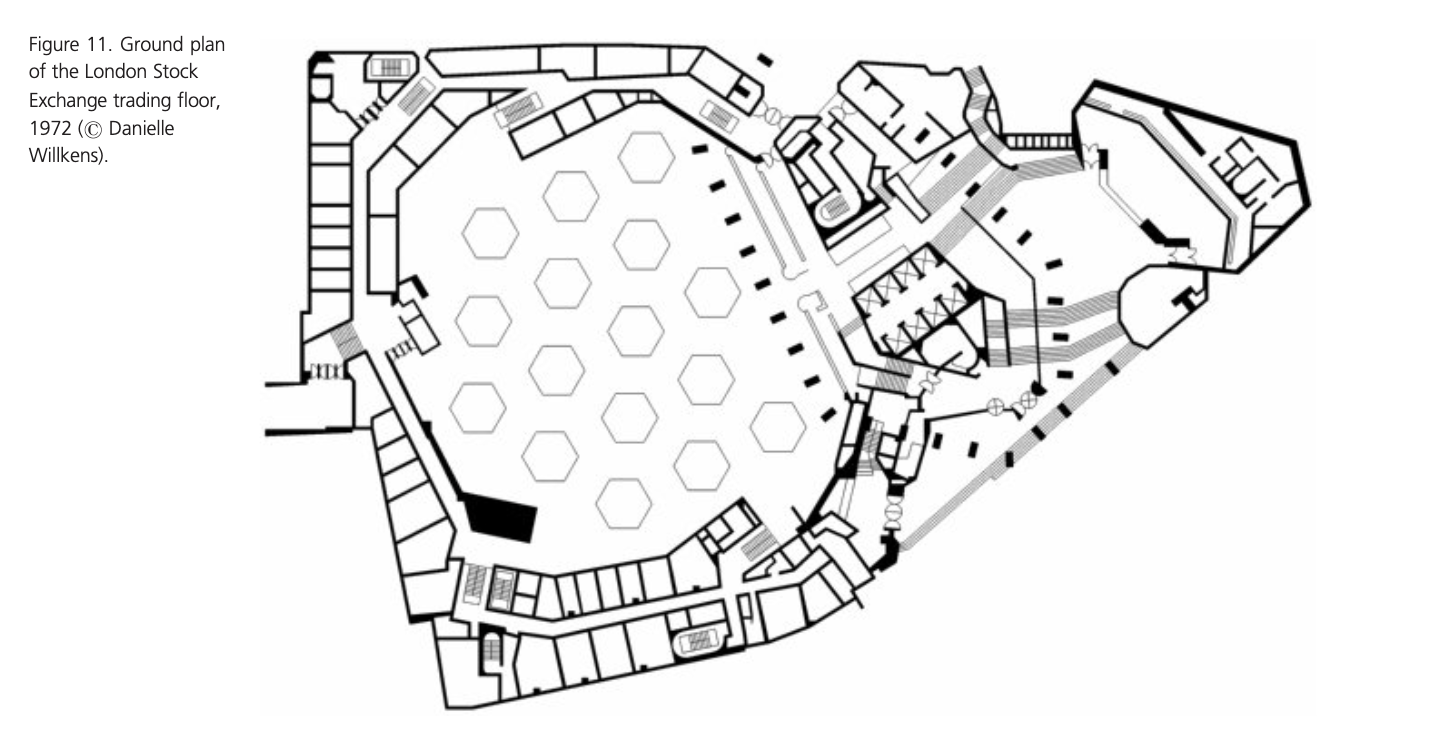
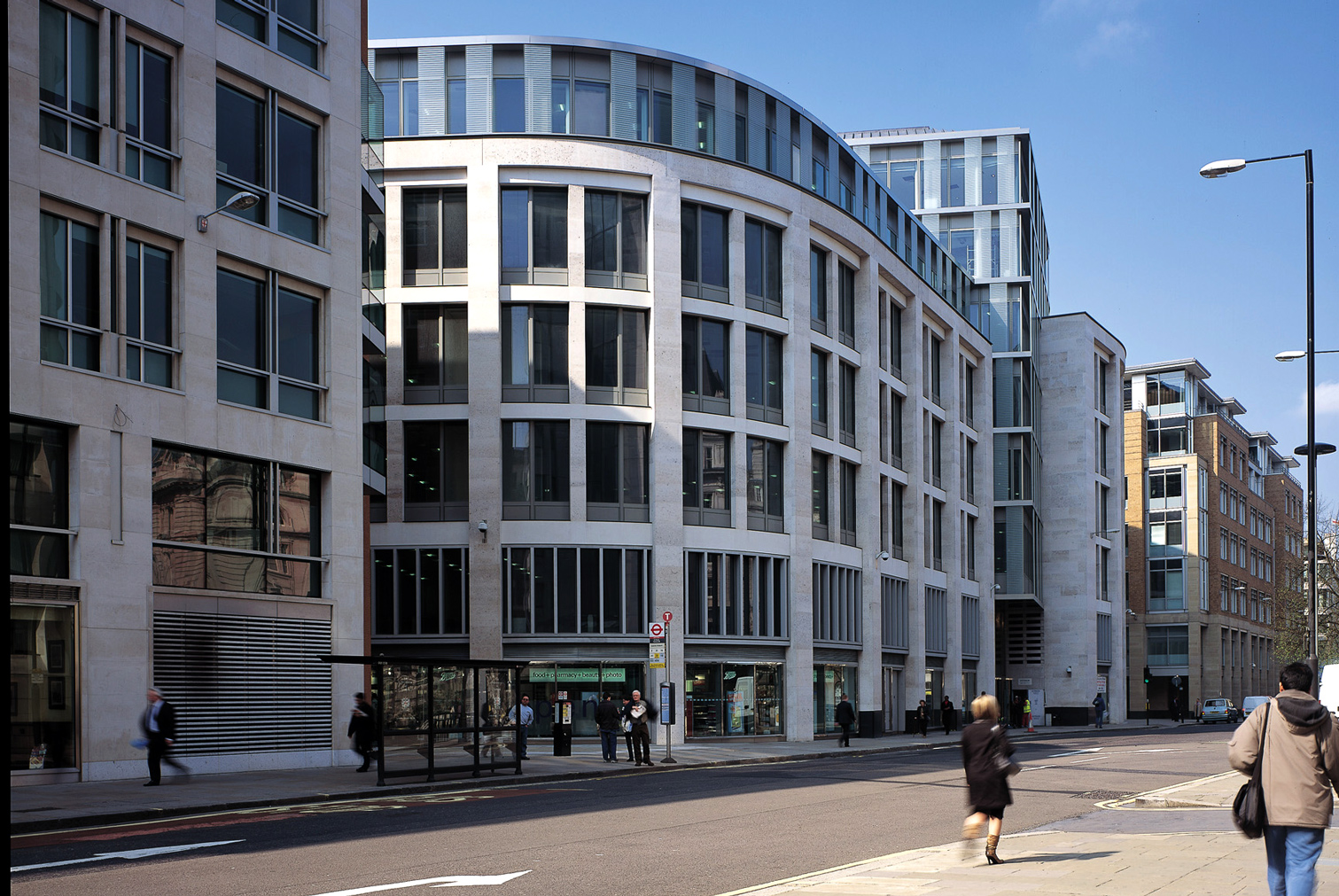
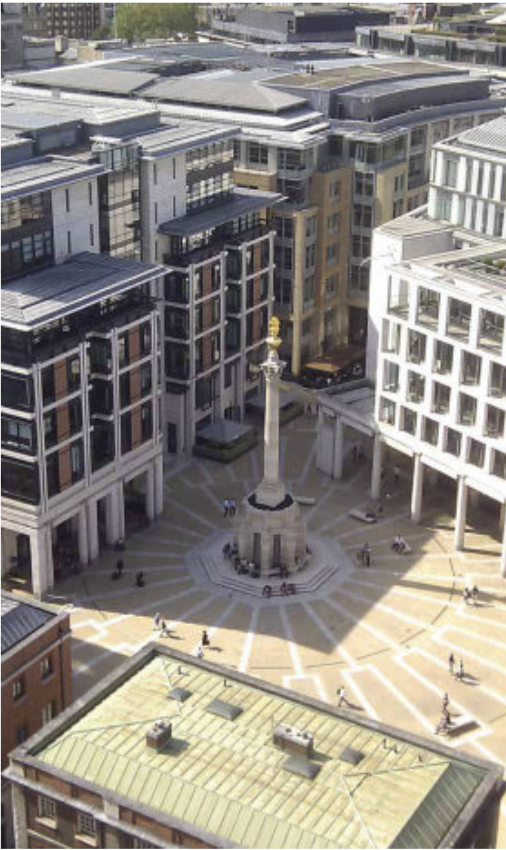
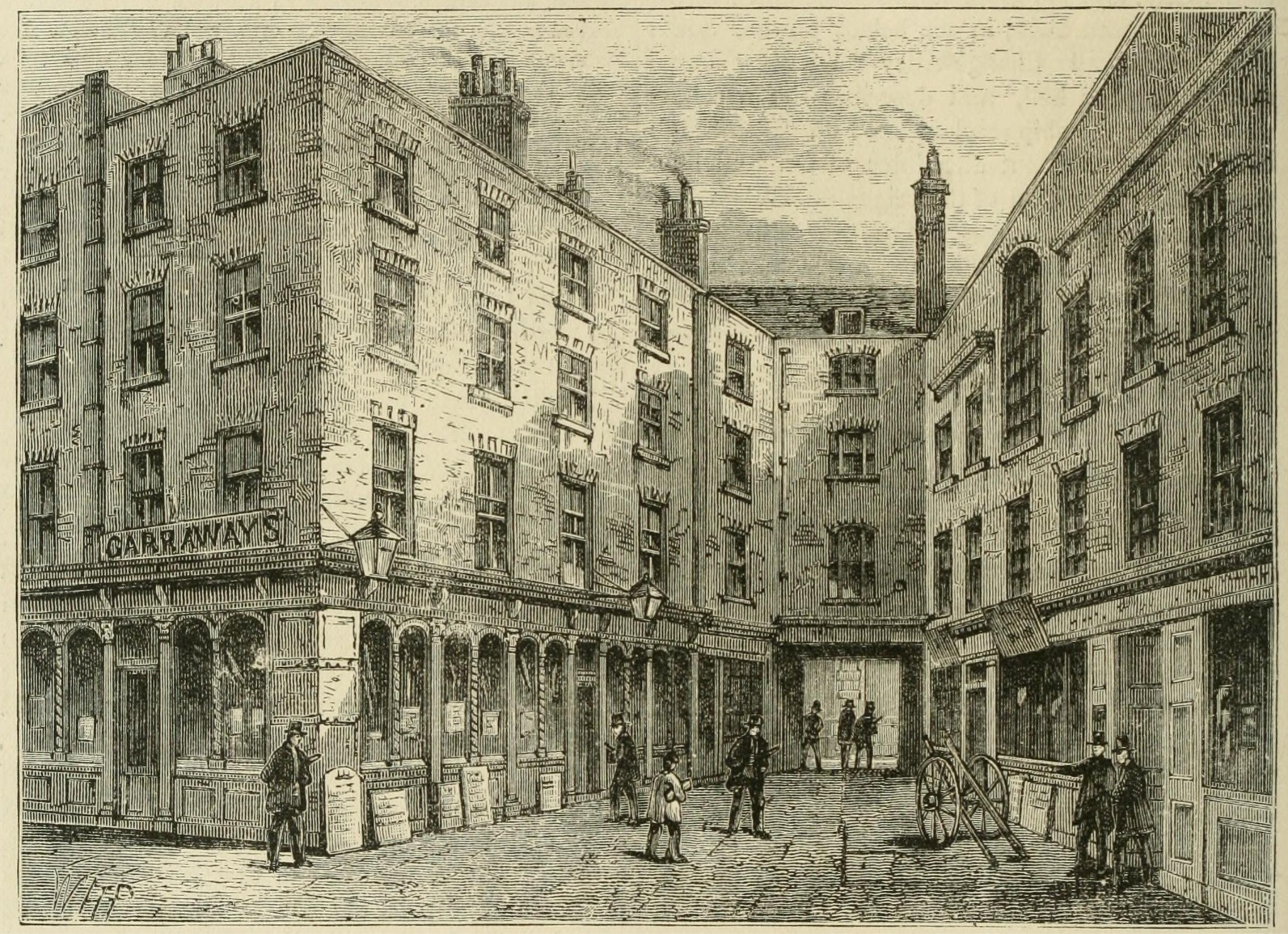
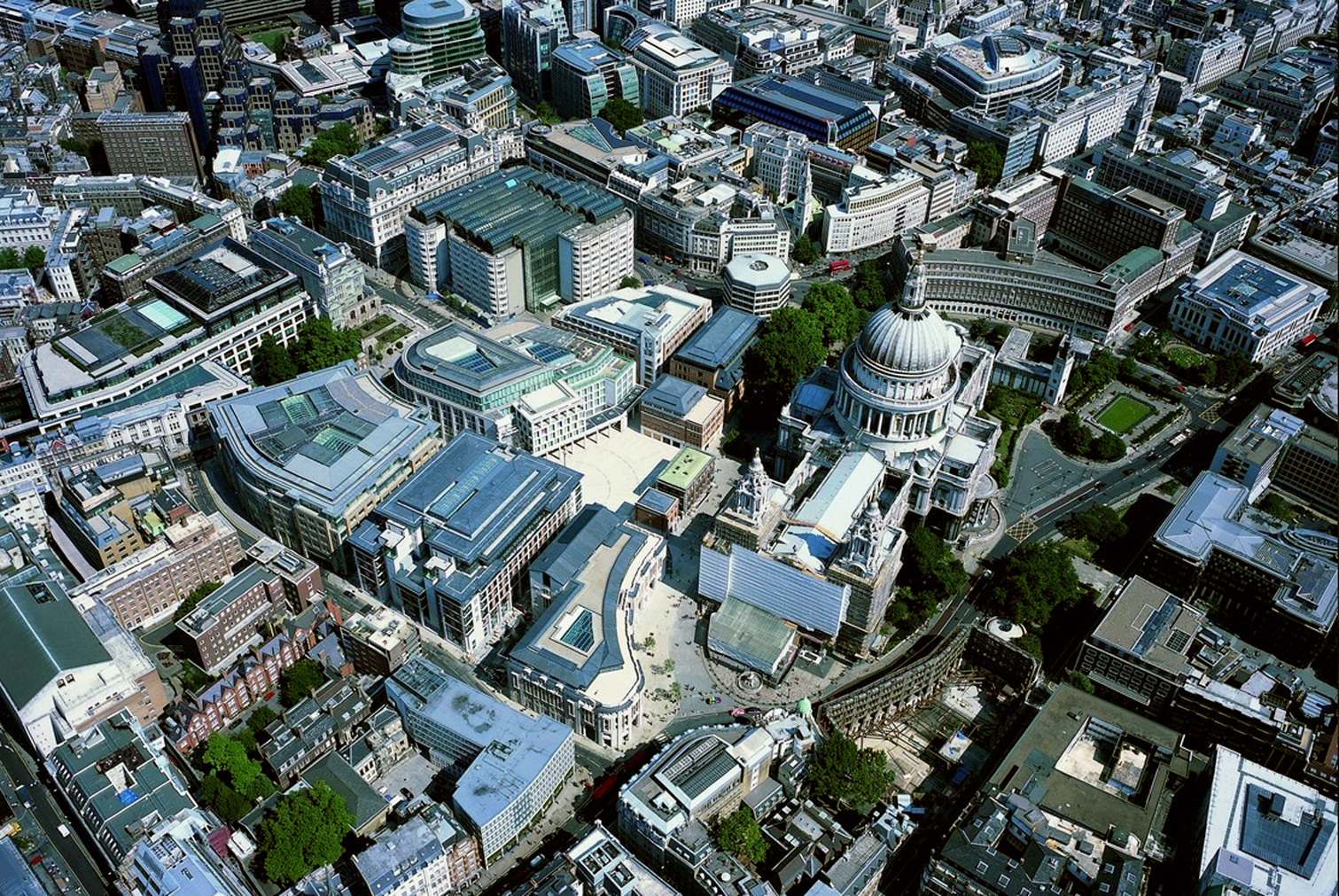
The London Stock Exchange's first dedicated home at Capel Court, opened for trading in March 1802, has a strong claim to be the first building in the world erected specifically and exclusively for the trading of financial securities by a self-regulating membership organisation. Earlier purpose-built exchanges—Domien de Waghemakere's Antwerp Bourse of 1531 and Hendrick de Keyser's Amsterdam Beurs of 1611—were commodity halls in which share trading was a subsidiary activity conducted at designated pillars alongside grain, textiles, and bills of exchange; as the Amsterdam Beursgeschiedenis project documents, de Keyser's building "was first of all a commodities exchange," with a dedicated section for securities added only in 1668. Ranald C. Michie's *The London Stock Exchange: A History* (Oxford University Press, 1999), in the chapter "From Market to Exchange, 1693–1801," accordingly treats the Capel Court building as the institutional and physical hinge distinguishing the modern securities-only exchange from the coffee-house and merchants'-hall arrangements that preceded it. The architect was James Peacock (c. 1738–1814), a figure of quiet importance in late-Georgian London. As Dorothy Stroud's entry in the *Oxford Dictionary of National Biography* records, Peacock served for nearly forty-five years as the principal assistant to George Dance the Younger, Clerk of the City Works at Guildhall; Capel Court was his only significant independent commission, the rest of his career having been spent in collaboration with Dance on projects including Finsbury Square (1777–91), where Peacock himself lived and died at No. 17. He was better known in his own day as a writer on commercial architecture—his pseudonymous *Oikidia* (1785) and posthumous *Subordinates in Architecture* (1814) argued for a functional, economical manner of building attuned to the needs of commerce. The foundation stone was laid by William Hammond, chairman of the building committee, on 18 May 1801; the words "The Stock Exchange" were inscribed over the entrance on 30 December 1801; and the building opened for business in March 1802. The plan was organised around a single Subscription Room—the trading floor—of approximately seventy-five square yards, designed to accommodate between eleven hundred and twelve hundred members, with ancillary rooms for the Committee for General Purposes, the Trustees and Managers, clerks' offices, and a small library and newsroom. The style was a restrained late-Georgian neoclassicism of brick with stone dressings, broadly in the manner of Dance, prioritising utility and clarity of circulation over external display. The accommodation proved inadequate within a generation: Thomas Allason substantially rebuilt the premises in 1853–54 with a new brick hall inspired by the Great Exhibition, and in 1885 J. J. Cole added a magnificent domed annexe along Throgmorton Street and Old Broad Street, its interior lined with green-veined and cream marble that earned the Exchange its affectionate nickname "Gorgonzola Hall." In 1972 Queen Elizabeth II opened the twenty-six-storey Stock Exchange Tower on Old Broad Street, a 100-metre modernist slab designed by Llewelyn-Davies, Weeks, Forestier-Walker & Bor with Fitzroy Robinson & Partners; it served as the Exchange's headquarters until the move in July 2004 to its current home at 10 Paternoster Square, a seven-storey Portland stone building designed by Eric Parry Architects that occupies a keystone position in William Whitfield's masterplan for the precinct adjacent to St Paul's Cathedral.
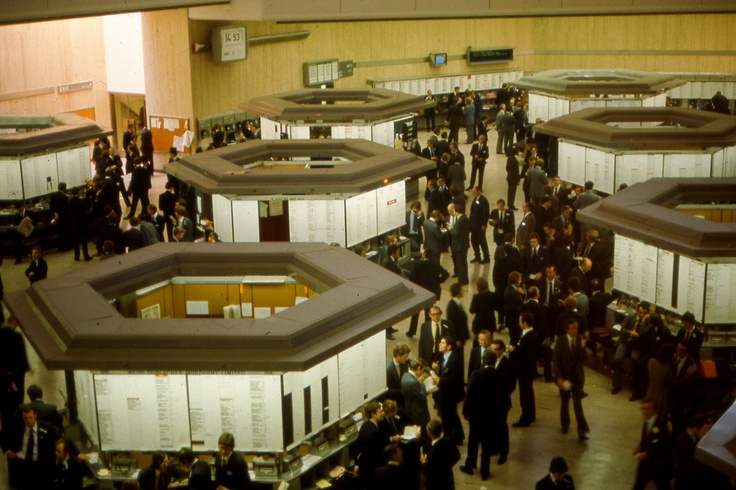
The London Stock Exchange's architectural history has been more functional than decorative, though its Victorian incarnation at Capel Court achieved a certain grandeur: J.J. Cole's 1885 domed annexe featured the richly veined green and cream marble interior that gave rise to the 'Gorgonzola Hall' nickname, and the trading floor beneath the dome -- where brokers and jobbers conducted business amid marble columns -- became one of the most visually distinctive commercial interiors in Victorian London. The 1972 Stock Exchange Tower, by contrast, was a product of its Brutalist era, its concrete and glass curtain-wall facade offering little external ornament, though the interior trading floor with its banks of electronic screens became an iconic image of modern finance. At 10 Paternoster Square, Eric Parry's design achieves a restrained contemporary elegance, with Portland Grove Whitbed stone cladding -- manufactured over a fifty-week period at Albion Stone's factory -- forming vertical columns from floors one to five, crowned by a continuous curtain-walling zone with glazed sunshading panels on the upper storeys, the whole composition deferring respectfully to the adjacent presence of St Paul's Cathedral.
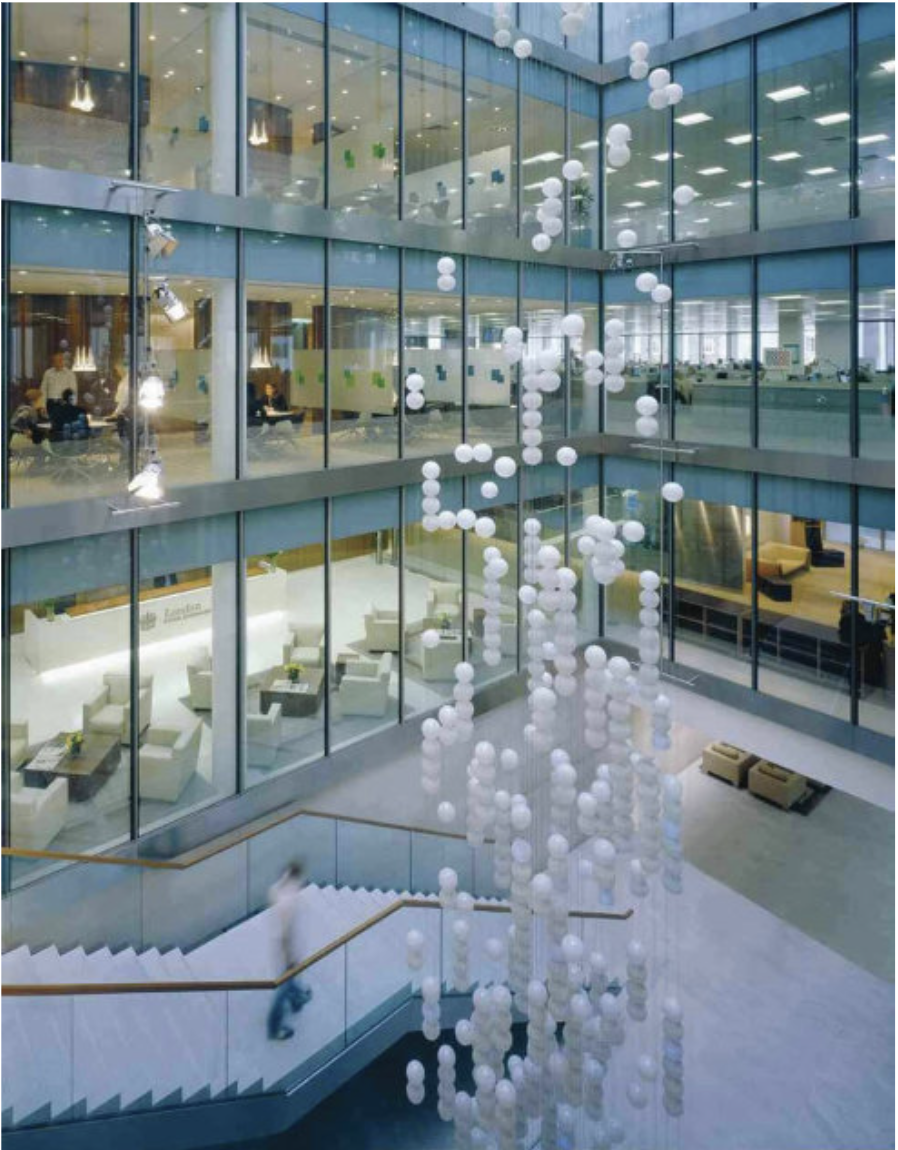
The London Stock Exchange's successive homes have all been situated within the dense financial quarter of the City of London, though the precise location has shifted over time from the immediate orbit of the Royal Exchange and Bank of England to a position closer to St Paul's Cathedral. The original Capel Court premises stood on Bartholomew Lane, a narrow street running along the eastern wall of the Bank of England, placing the Exchange at the very epicentre of a quarter-mile financial-services agglomeration that David Kynaston, in the first volume of *The City of London: A World of Its Own, 1815–1890* (Chatto & Windus, 1994), and Iain Black, in "Spaces of Capital: Bank Office Building in the City of London, 1830–1870" (*Journal of Historical Geography* 26, 2000), have documented as a prototype of what economic geographers now call an industrial district. Immediately adjacent stood the Bank of England itself—Sir Robert Taylor's Rotunda of 1765, with Sir John Soane's continuing extensions from 1788—where much consol trading had actually taken place until the Capel Court building opened in 1802. The Royal Exchange (Edward Jerman's post-Fire building of 1669, which would burn in 1838 and be replaced by William Tite's structure of 1844) stood barely a hundred yards to the south-west; in its upper rooms Lloyd's Coffee House, reorganised by John Julius Angerstein in 1771–74, conducted the marine-insurance business traced in Frederick Martin's *History of Lloyd's and Marine Insurance in Great Britain* (Macmillan, 1876). Lombard Street, the address Walter Bagehot would later make synonymous with money-market intermediation in *Lombard Street: A Description of the Money Market* (1873), housed the leading private bankers—Smith, Payne & Smiths; Glyn, Mills & Co.; Barclay, Bevan & Co.; Lubbock, Forster & Co.—within five minutes' walk, along with the General Post Office that would not remove to Robert Smirke's St Martin's-le-Grand building until 1829. The specialised commodity coffee houses had not yet dispersed: the Virginia and Baltick Coffee House on Threadneedle Street served shipping subscribers, while the Jerusalem Coffee House in Cowper's Court, Birchin Lane, remained the principal venue for East India Company intelligence and freight. Notaries, scriveners, and commercial solicitors clustered in the streets between Cornhill and Cheapside, and the Wetenhall family, by then in the second generation as authorised publishers of *The Course of the Exchange*—the price list John Castaing had founded at Jonathan's in 1697—operated within yards of the new building. The result was a financial-services ecology in which a clerk could circulate on foot among bankers, brokers, jobbers, underwriters, notaries, and printers in a matter of minutes. The current headquarters at 10 Paternoster Square occupies a pedestrianised precinct on the north side of St Paul's Cathedral, part of a comprehensive post-war redevelopment designed by William Whitfield; the building maintains an animated street presence with a north-south pedestrian walkway at ground level and entrances on both Paternoster Square and Newgate Street, embedding the Exchange within the daily life of the City rather than sequestering it behind a single monumental facade.
The London Stock Exchange traces its origins to the coffee houses of Exchange Alley in the late seventeenth century, where stockjobbers expelled from the Royal Exchange in 1698 for rowdy behaviour congregated to trade shares and government securities; at Jonathan's Coffee House the broker John Castaing began publishing "The Course of the Exchange and other things" in 1698, a twice-weekly price list of stocks, commodities, exchange rates, and the prices of gold, silver, and pieces of eight—the earliest systematic record of organised securities trading in London. In 1773, a group of 150 brokers left Jonathan's and established an informal "Stock Exchange" in Sweeting's Alley, renting a converted coffee room above which they painted the name over the door. The decisive institutional break came at a meeting at the Antwerp Tavern on Threadneedle Street on 4 March 1801, at which the subscribers resolved to acquire the Capel Court premises and convert them into a dedicated Stock Exchange; the foundation stone of the new building was laid on 18 May 1801 and the subscription room opened for business in March 1802. As Larry Neal and Lance Davis reconstructed in "The Evolution of the Structure and Performance of the London Stock Exchange in the First Global Financial Market, 1812–1914" (*European Review of Economic History* 10, 2006), the subscribers resolved to raise £20,000 of capital by issuing four hundred shares of £50 each (later subdivided into four thousand), with individual holdings capped at four shares. The undertaking was wholly private; the Bank of England next door, although the principal venue for consol trading until that moment, took no part in the financing. The Deed of Settlement of 1802 codified a bifurcated constitution that would define the Exchange for nearly two centuries: the Proprietors, who owned the shares and the building, delegated management to a body of Trustees and Managers; the Subscribers, the trading members who paid annual fees for access to the floor, delegated rule-making and discipline to the Committee for General Purposes. The Rules and Regulations adopted by that Committee on 10 February 1812 gave the institution its mature self-regulatory form, a private-ordering regime analysed by Stuart Banner in *Anglo-American Securities Regulation: Cultural and Political Roots, 1690–1860* (Cambridge University Press, 1998). The Exchange expanded through the nineteenth century with Thomas Allason's 1854 enlargement and J. J. Cole's 1885 domed hall, survived two World Wars (a German V-2 struck the trading floor in 1945), and then underwent its most revolutionary transformation on 27 October 1986—the "Big Bang"—when fixed commissions were abolished, the distinction between brokers and jobbers was eliminated, foreign firms were admitted for the first time, and three centuries of face-to-face open-outcry trading gave way to screen-based electronic dealing. The Exchange moved from Old Broad Street to Paternoster Square in 2004, and in 2007 merged with Borsa Italiana to form the London Stock Exchange Group.
From its coffee-house origins, the London Stock Exchange dealt primarily in government debt—the funded national debt created after the Glorious Revolution of 1688 gave rise to a new class of transferable securities, and John Castaing's 1698 price list already recorded quotations for Bank of England stock, East India Company shares, and various government annuities alongside commodity prices for salt, coal, and bullion. As Larry Neal showed in *The Rise of Financial Capitalism: International Capital Markets in the Age of Reason* (Cambridge University Press, 1990), the Capel Court market of 1802 inherited and formalised this mixed diet of sovereign and corporate paper. The South Sea Bubble of 1720, in which shares in the South Sea Company soared to ten times their offering price before collapsing when the company proved incapable of delivering on its trading promises, was a formative trauma that led to tighter regulation and the Bubble Act restricting joint-stock company formation, shaping the character of London securities trading for over a century. Through the eighteenth and nineteenth centuries the Exchange became the world's preeminent market for government bonds (gilts and consols), railway shares, and the securities of joint-stock companies financing imperial expansion, industrial development, and infrastructure projects across the globe. The Big Bang of 1986 transformed the Exchange into a fully electronic marketplace trading equities, fixed income, derivatives, and exchange-traded funds, and today the LSE lists over two thousand companies from more than sixty countries with a combined market capitalisation in the trillions of pounds.